Welcome to the ear-reshaping revolution, where the magic of otoplasty unfolds. Otoplasty is a transformative procedure designed to reshape and reposition the ears, creating aesthetic harmony and boosting self-confidence. Whether you are seeking correction for protruding ears or other ear deformities, otoplasty offers a solution that can truly transform your appearance. Through innovative techniques and skilled surgeons, the artistry of otoplasty unveils a world of possibilities. Join us as we delve into the journey of unlocking the magic of otoplasty, exploring the transformative power it holds to reshape ears and enhance the overall harmony and confidence of individuals.
Understanding Otoplasty
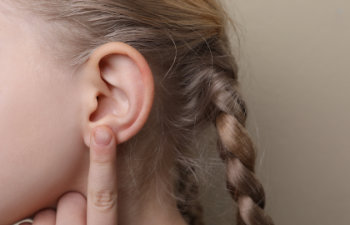
Otoplasty, also known as ear reshaping surgery, is a procedure that aims to correct ear deformities or improve the appearance of the ears. Common concerns addressed by otoplasty include protruding ears, asymmetry, or irregular ear shapes. The surgery involves various techniques, such as cartilage reshaping and ear pinning, tailored to meet individual needs. Through otoplasty, the ears can be reshaped, repositioned, or resized to achieve improved facial harmony and symmetry. Otoplasty not only enhances ear aesthetics but also boosts self-confidence and improves body image. Understanding the intricacies of otoplasty empowers individuals to make informed decisions and embark on a transformative journey to unlock the magic of ear reshaping.
The art of ear reshaping, known as otoplasty, involves several key aspects:
1. Techniques for Cartilage Reshaping: Skilled surgeons use various techniques to reshape the cartilage of the ear. This may include scoring, suturing, or removing excess cartilage to achieve the desired shape and contour.
2. Ear Pinning and Repositioning: In cases of protruding ears, the surgeon will utilize techniques to “pin” the ears back closer to the head. This involves repositioning the ears and securing them in a more aesthetically pleasing position.
3. Customized Approaches for Individual Aesthetics: Each individual has unique ear aesthetics, and the artistry of otoplasty lies in tailoring the procedure to address specific concerns and achieve harmonious ear proportions. Surgeons take into account factors such as ear size, symmetry, and overall facial features to create personalized and natural-looking results.
By combining technical expertise with an artistic eye, skilled surgeons master the art of ear reshaping, allowing individuals to achieve beautifully balanced and aesthetically pleasing ears.
Benefits of Otoplasty
Otoplasty, or ear reshaping surgery, offers several benefits:
1. Enhanced Ear Aesthetics: Otoplasty can correct protruding or asymmetrical ears, reshaping them to create a more balanced and harmonious appearance. This can significantly improve the overall aesthetics of the ears, boosting self-confidence and enhancing facial symmetry.
2. Increased Self-Confidence: Correcting ear deformities or prominent ears through otoplasty can have a profound impact on self-esteem. Individuals often experience increased self-confidence and a greater sense of comfort in social interactions, as they no longer feel self-conscious about the appearance of their ears.
3. Correction of Protruding Ears: It can effectively address protruding ears by reshaping and repositioning them closer to the head. This can improve the overall facial profile and create a more pleasing ear contour, enhancing both appearance and proportions.
4. Psychological Well-being: It not only offers physical improvements but also positively impacts psychological well-being. By addressing aesthetic concerns related to the ears, individuals often experience improved body image, self-acceptance, and an overall sense of well-being.
These benefits of otoplasty highlight its transformative power in enhancing ear aesthetics, boosting self-confidence, and improving overall psychological and emotional well-being.
The Otoplasty Procedure
The otoplasty procedure, which involves ear reshaping, encompasses several key aspects:
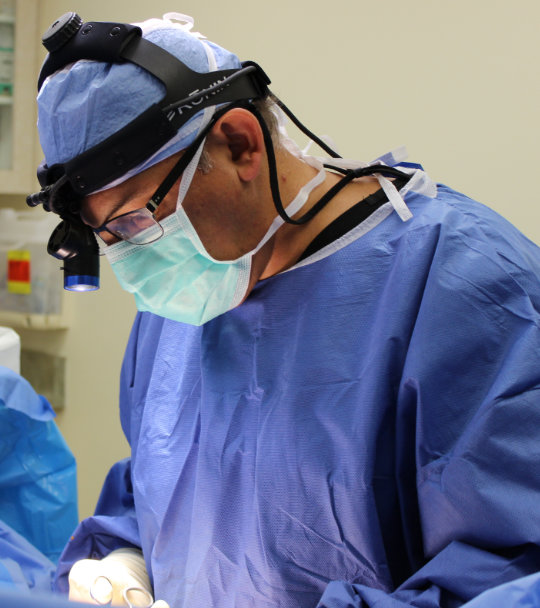
1. Step-by-Step Surgical Process: The surgeon begins by making discreet incisions, typically behind the ear, to access the cartilage. The cartilage is then sculpted, reshaped, or repositioned to achieve the desired aesthetic outcome. Excess skin may also be removed if necessary.
2. Incision Placement and Techniques: The specific incision placement and techniques utilized in otoplasty depend on the individual’s unique needs. Techniques may include cartilage scoring, suturing, or cartilage grafting to achieve the desired ear shape and position.
3. Post-Operative Care and Recovery Timeline: After the procedure, the patient’s ears are usually bandaged to protect the surgical area. The surgeon provides instructions for proper post-operative care, including keeping the incision site clean and avoiding activities that may disrupt the healing process. Recovery times vary, but patients typically return to normal activities within a few weeks.
4. Potential Risks and Complications: As with any surgical procedure, there are potential risks and complications associated with otoplasty. These may include infection, bleeding, asymmetry, or changes in sensation. It is crucial to discuss these risks with a qualified plastic surgeon and follow their guidance for optimal results and safe recovery.
Understanding the otoplasty procedure helps individuals prepare for the surgery, have realistic expectations, and make informed decisions about ear reshaping to achieve their desired aesthetic outcome.
FAQs
1. Am I a good candidate for otoplasty?
Good candidates for otoplasty are typically individuals with ear deformities or aesthetic concerns, such as protruding or asymmetrical ears. It is important to consult with a qualified plastic surgeon who can assess your specific situation and determine if otoplasty is suitable for you.
2. How long does otoplasty surgery take?
The duration of this surgery varies depending on the complexity of the procedure and the specific techniques employed. On average, the surgery can take anywhere from one to three hours. Your surgeon will provide a more accurate estimate during the consultation.
3. Will otoplasty leave visible scars?
It typically involves incisions, but skilled surgeons make incisions in discrete locations, such as behind the ear, to minimize visible scarring. Over time, the scars usually fade and become less noticeable. Following post-operative care instructions and keeping the incision area clean can help promote proper healing and minimize scarring.
4. Is otoplasty a painful procedure?
During this procedure, local or general anesthesia is administered, ensuring that patients are comfortable and pain-free throughout the surgery. After the procedure, patients may experience mild discomfort or soreness, which can be managed with prescribed pain medication. The level of pain or discomfort varies among individuals but is typically well-tolerated.
5. Will the results of otoplasty be permanent?
The results are typically long-lasting. Once the ears are reshaped and repositioned, they tend to maintain their new shape and position. However, it is important to note that the natural aging process and significant trauma to the ears can potentially affect the results over time. Following proper care instructions and maintaining a healthy lifestyle can help ensure the longevity of the results.
In conclusion, otoplasty offers a transformative journey of ear reshaping, unlocking the magic of enhanced aesthetics and increased self-confidence. By correcting ear deformities and achieving balance and harmony, individuals can experience a renewed sense of self and improved overall well-being. Embrace the empowering step of otoplasty and embark on a path to ear beauty and self-assurance.
Posted on behalf of