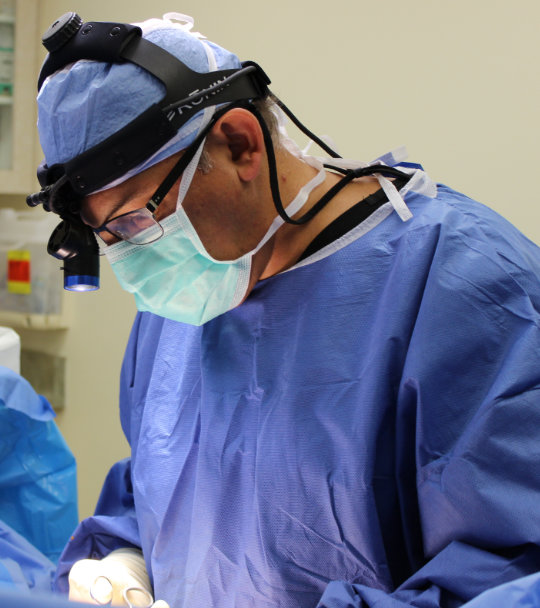
Welcome to “The Ultimate Guide to Facelift Procedures in Los Angeles, California.” In the city of dreams and stars, the desire for timeless beauty is ever-present. This guide is your gateway to understanding the world of facelift procedures in the heart of Los Angeles, where cosmetic enhancement meets Hollywood glamor. Whether you’re considering a facelift to turn back the hands of time, exploring the different techniques available, or seeking insights into renowned surgeons who specialize in facial rejuvenation, you’re in the right place. Join us on a journey through the art and science of facelifts, uncovering the secrets to achieving a refreshed and youthful appearance in the City of Angels.
Why Los Angeles for a Facelift?
1. Cosmetic Excellence: Los Angeles has earned a reputation as a global center for cosmetic surgery excellence. The city is home to some of the world’s most renowned plastic surgeons who specialize in facial rejuvenation. Patients from all over the world seek out Los Angeles for access to cutting-edge techniques and a high standard of care.
2. Celebrity Influence: Los Angeles is closely associated with the entertainment industry and Hollywood. The allure of looking youthful and rejuvenated is pervasive in this city, thanks to its celebrity culture. Many individuals are drawn to Los Angeles to undergo facelift procedures in the hopes of achieving the timeless and glamorous look often associated with Hollywood stars.
Types of Facelift Procedures
1. Traditional Facelift (Rhytidectomy): This comprehensive facelift addresses moderate to advanced signs of aging in the face and neck. It involves incisions along the hairline and behind the ears to lift and tighten the underlying muscles and tissues, reduce sagging skin, and create a more youthful appearance. A traditional facelift provides long-lasting results.
2. Mini Facelift: Also known as a “weekend facelift” or “S-lift,” this less invasive procedure targets mild to moderate facial sagging and wrinkles. It requires smaller incisions, usually around the ears, and focuses on rejuvenating the lower face and jawline. Mini facelifts typically have a quicker recovery period compared to traditional facelifts and are suitable for patients looking for subtle improvements.
Choosing the Right Surgeon
1. Board Certification: Ensure that your chosen surgeon is board-certified by a recognized plastic surgery board. Board-certified surgeons have undergone rigorous training, passed examinations, and adhere to high standards of ethical and professional practice. This certification signifies their expertise and commitment to patient safety.
2. Experience and Specialization: Look for a surgeon with extensive experience in facelift procedures. Specialization in facial rejuvenation is vital, as the face is a complex and delicate area. Review the surgeon’s before-and-after photos, ask about their specific expertise in facelift techniques, and seek referrals or testimonials from previous patients to gauge their competence and patient satisfaction levels.
The Facelift Process
1. Consultation and Planning: The facelift process begins with a thorough consultation with your surgeon. During this stage, you’ll discuss your goals, medical history, and any concerns. Your surgeon will evaluate your facial anatomy and recommend the most suitable facelift technique. You’ll also receive pre-operative instructions, including guidelines for medications, alcohol, and smoking.
2. Surgical Procedure: On the day of surgery, you’ll receive anesthesia to ensure comfort throughout the procedure. The surgeon will make incisions following the predetermined plan, typically along the hairline and around the ears. They will then lift and reposition the underlying tissues, remove excess skin, and suture the incisions. The surgery duration varies based on the technique used. Afterward, you’ll be closely monitored during the initial recovery period to ensure a safe and successful outcome.
Recovery and Aftercare
1. Immediate Postoperative Care: After the facelift surgery, patients are typically monitored in a recovery area to ensure their vital signs are stable. Some initial discomfort, swelling, and bruising are normal. Pain medication, antibiotics, and dressings will be provided to manage pain and reduce the risk of infection. Patients are usually advised to keep their head elevated and avoid strenuous activities during the initial recovery phase.
2. Long-Term Recovery: While most patients can return to light activities and work within a week, complete recovery may take several weeks to a few months. It’s essential to follow all post-operative care instructions provided by your surgeon. This may include wearing a compression garment, avoiding sun exposure, and attending follow-up appointments to monitor progress. Over time, swelling will subside, and the final results of the facelift will become more apparent, providing a refreshed and youthful appearance.
Natural-Looking Results
1. Customized Approach: To achieve natural-looking results, skilled surgeons take a personalized approach. They tailor the facelift procedure to each patient’s unique facial anatomy and aesthetic goals. This involves addressing specific areas of concern, such as jowls, sagging skin, or wrinkles, while preserving facial harmony and avoiding an overly tight or pulled appearance.
2. Modern Techniques: Advancements in facelift techniques prioritize subtlety and rejuvenation. Surgeons use methods that lift and reposition underlying tissues rather than just tightening the skin. This approach results in a more natural, youthful look that doesn’t appear overly artificial or stretched. The goal is to turn back the clock while maintaining the patient’s individual facial characteristics, ensuring that the results blend seamlessly with their overall appearance.
Cost Considerations
1. Factors Affecting Cost: The cost of a facelift can vary widely based on several factors, including the surgeon’s experience, the complexity of the procedure, geographic location (Los Angeles tends to have higher costs), facility fees, anesthesia fees, and pre-operative and post-operative care. Additionally, the type of facelift technique chosen, such as a mini facelift or a full facelift, can impact the overall cost.
2. Financing Options: Many patients explore financing options to make a facelift more affordable. These options may include medical loans, credit card payments, and payment plans offered by the surgical center or surgeon. It’s essential to discuss all financial aspects with the surgeon’s office to make an informed decision.
Combining Procedures
1. Comprehensive Facial Rejuvenation: Combining procedures with a facelift allows patients to address multiple aspects of facial aging simultaneously. Common combinations include eyelid surgery (blepharoplasty) to rejuvenate the eyes, neck lift to address sagging neck skin, or non-surgical treatments like dermal fillers or Botox to enhance overall facial harmony.
2. Cost and Recovery Efficiency: Combining procedures can be cost-effective as it reduces overall surgery and recovery time. Patients can achieve more comprehensive results with a single recovery period, which is especially convenient for those with busy schedules or limited downtime availability. However, it’s essential to consult with your surgeon to determine the best combination of procedures based on your individual needs and goals.
In conclusion, a facelift in Los Angeles offers the promise of renewed youth and confidence. With a wealth of surgical expertise and cutting-edge techniques, achieving natural-looking results is within reach. Whether opting for a standalone facelift or combining procedures, a more youthful and refreshed appearance awaits those who embark on this transformative journey in the heart of the City of Angels.
Posted on behalf of