There’s a particular frustration that comes with looking in the mirror and seeing a face that doesn’t match how you feel inside. The jowls that have slowly developed along your jawline. The deepening folds that run from your nose to the corners of your mouth. The loose skin along your neck that no amount of skincare can address. You’re vibrant, energetic, and engaged with life—but your reflection tells a different story.
A facelift remains one of the most transformative procedures in cosmetic surgery, capable of turning back the clock in ways that non-surgical treatments simply cannot match. But unlike a quick injection appointment, a facelift requires thoughtful planning. And May, it turns out, is an ideal time to begin that conversation.
What a Modern Facelift Actually Addresses
The facelift of decades past—the one that left patients looking “pulled” or windswept—has evolved dramatically. Today’s techniques focus on restoring natural facial architecture rather than simply tightening skin.
A well-executed facelift addresses the deep structural changes that occur with aging. The SMAS layer (superficial musculoaponeurotic system), a fibrous network beneath the skin, loosens over time, allowing facial fat pads to descend and creating that tired, saggy appearance. Modern facelift techniques reposition and secure this layer, providing lift that comes from within rather than relying solely on skin tension.
The results target several common concerns:
- Jowls and Loss of Jawline Definition: As facial tissues descend, they accumulate along the lower face, obscuring the once-crisp angle between jaw and neck. A facelift restores definition to this area.
- Deep Nasolabial Folds: The creases that run from the nose to the mouth corners deepen as cheek fat pads drop. Repositioning these tissues softens these lines naturally.
- Marionette Lines: The vertical lines that extend downward from the mouth corners create a perpetually unhappy expression. Lifting the mid and lower face reduces their prominence.
- Neck Laxity: While a facelift focuses on the face, many procedures include neck work (sometimes called a lower facelift or neck lift component) to address loose skin and banding under the chin.
- Overall Facial Sagging: The general descent of facial tissues that makes you look perpetually tired or stern can be reversed, restoring a more alert and approachable appearance.
The Difference Between Looking “Done” and Looking Refreshed
Fear of looking artificial keeps many people from pursuing facial rejuvenation—and it’s a legitimate concern with the wrong surgeon. The key to natural results lies in surgical philosophy and technique.
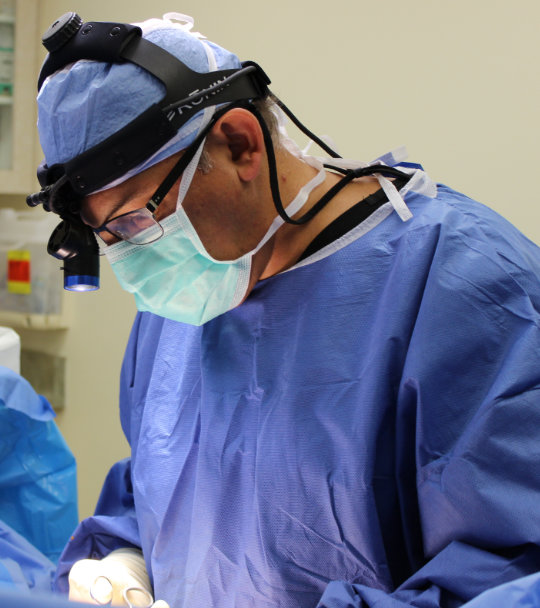
Dr. Farzin Kerendian approaches facelift surgery as restoration rather than alteration. The goal isn’t to change who you are but to reveal a more refreshed version of yourself. This requires understanding each patient’s unique facial anatomy, recognizing how their face has aged, and developing a surgical plan that addresses their specific concerns while preserving their natural characteristics.
The hallmarks of a well-done facelift are subtle. Friends and family notice you look rested, healthy, perhaps like you’ve been on vacation. They don’t notice you’ve had surgery. The scars are carefully hidden in natural creases and along the hairline. The skin lies naturally without tension. The face moves normally when you smile or express emotion.
Why Timing Matters More Than You Think
Facelift surgery requires recovery time—and not just physically. Most patients need two to three weeks before they feel comfortable resuming full social and professional activities. While initial swelling and bruising resolve within the first week or two, subtle swelling can persist for several months as final results gradually emerge.
This is where strategic planning becomes valuable.
Scheduling surgery in late spring or early summer means your primary recovery falls during a period when many people naturally scale back their social calendars. Summer vacations provide a built-in explanation for your temporary absence from regular activities. And by the time fall arrives with its packed calendar of social events, holidays, and family gatherings, you’ll have healed completely and be enjoying your refreshed appearance.
Patients who begin their consultation process in May have time for thorough evaluation, procedure planning, any necessary pre-operative preparation, and scheduling at a time that works for their personal and professional commitments.
The Consultation: More Important Than the Surgery Itself
A facelift consultation isn’t a sales pitch—or at least it shouldn’t be. It’s an opportunity for mutual evaluation. The surgeon assesses your anatomy, skin quality, and goals to determine whether a facelift is appropriate and what specific techniques would serve you best. You assess whether this surgeon understands your concerns, communicates clearly, and inspires confidence.
During your consultation at Desired Beauty, Dr. Kerendian takes time to understand what bothers you about your appearance and what outcomes you’re hoping to achieve. He examines your facial structure, skin elasticity, and the specific changes that have occurred with aging. He discusses whether a facelift is the right approach or whether other procedures might better address your concerns.
This conversation includes honest discussion about what a facelift can and cannot accomplish. It can dramatically improve jowling, neck laxity, and mid-face descent. It cannot address fine wrinkles around the lips, under-eye hollowing, or forehead lines—though complementary procedures exist for these concerns when appropriate.
Dr. Kerendian also reviews your medical history to ensure you’re a good surgical candidate. Certain health conditions, medications, and lifestyle factors (particularly smoking) affect both surgical risk and healing. Transparency about your health history allows for proper planning and optimized outcomes.
What the Procedure Actually Involves
Understanding what happens during a facelift helps patients prepare mentally and set appropriate expectations.
Facelift surgery is performed under anesthesia—typically general anesthesia or deep sedation—at an accredited surgical facility. The procedure generally takes several hours, depending on the extent of work being performed.
Incisions are placed strategically to remain hidden. They typically begin in the hairline near the temple, continue in the natural crease in front of the ear, curve behind the earlobe, and extend into the hair-bearing scalp behind the ear. In some cases, a small incision under the chin addresses the neck.
Through these incisions, Dr. Kerendian accesses the deeper tissue layers, repositioning descended fat pads and tightening the SMAS layer. Excess skin is then trimmed and the incisions closed meticulously. The combination of deep tissue repositioning and skin removal creates results that look natural and last.
Recovery: What to Realistically Expect
Patients often worry more about recovery than the procedure itself. Understanding the timeline helps you plan appropriately and reduces anxiety.
- Days 1-3: This is the most challenging period. Swelling and bruising peak around day two or three. You’ll have bandages or a compression garment around your face and neck. Discomfort is managed with prescribed medication. Rest is essential.
- Days 4-7: Significant improvement occurs daily. Bruising begins transitioning from deep purple to yellow-green. Swelling starts subsiding. Many patients begin feeling more human, though still not ready for public appearances.
- Weeks 2-3: This is when most patients turn a corner. Bruising fades substantially and can be covered with makeup if needed. Swelling continues improving. You may feel ready to resume low-key social activities and some work, depending on your profession.
- Weeks 4-6: Most visible healing is complete. You’re generally comfortable in all social and professional settings. Some residual swelling remains but is typically noticeable only to you.
- Months 3-6: Subtle swelling continues resolving. Final results become apparent. Tissues settle into their new positions.
Throughout this process, Dr. Kerendian and his team provide detailed post-operative instructions and remain available for questions and concerns. Follow-up appointments monitor your healing and address any issues promptly.
Combining Procedures: The Comprehensive Approach
Many patients choose to address multiple concerns during a single surgical session, minimizing overall downtime and recovery periods.
Common procedures combined with a facelift include:
- Blepharoplasty (Eyelid Surgery): Heavy upper lids and puffy lower lids contribute significantly to a tired appearance. Addressing these alongside a facelift creates harmonious rejuvenation of the entire face.
- Fat Transfer: Volume loss is a major component of facial aging. Using your own fat to restore fullness to the cheeks, temples, or lips complements the lifting effect of a facelift beautifully.
- Neck Lift: While many facelifts include neck work, patients with significant neck concerns may benefit from more extensive neckwork, including platysma muscle tightening.
- Skin Resurfacing: CO2 laser treatment can improve skin texture, address fine lines, and enhance skin quality. Performed alongside a facelift, it targets concerns that lifting alone cannot correct.
During your consultation, Dr. Kerendian will discuss whether combining procedures makes sense for your specific goals and circumstances.
Choosing Your Surgeon: The Most Important Decision
A facelift is only as good as the surgeon performing it. Technical skill, artistic vision, and surgical experience all contribute to outcomes. Board certification, specialized training in facial surgery, and a portfolio of results that align with your aesthetic preferences are essential criteria.
Dr. Kerendian brings exceptional credentials to facial rejuvenation surgery. Double board certified by the American Board of Cosmetic Surgery and the American Osteopathic Board of Surgery, he completed his surgical training at the prestigious Weill Cornell Medicine–Cornell University hospital system, where he served as chief resident. His fellowship in cosmetic and reconstructive surgery under the guidance of renowned mentors prepared him specifically for aesthetic procedures.
Beyond credentials, Dr. Kerendian’s commitment to patient education sets him apart. He believes informed patients make better decisions and achieve greater satisfaction with their outcomes. He personally answers questions, explains procedures in detail, and ensures you understand all your options before moving forward.
Is a Facelift Right for You?
Ideal facelift candidates share certain characteristics:
- Visible jowling, mid-face descent, or neck laxity that bothers them
- Good general health without conditions that impair healing
- Non-smokers (or willing to quit well before and after surgery)
- Realistic expectations about what surgery can accomplish
- Adequate time to recover properly
- Emotional readiness for the process
Age matters less than you might think. Some patients benefit from facelift surgery in their late forties; others don’t develop significant laxity until their sixties or beyond. The determining factor is your anatomy and concerns, not a number.
Your Invitation to Explore Possibilities
If you’ve been thinking about facial rejuvenation—noticing changes in the mirror, wondering what’s possible, perhaps feeling uncertain about where to start—consider this your invitation to begin the conversation.
A consultation at Desired Beauty carries no obligation. It’s an opportunity to ask questions, understand your options, and determine whether proceeding makes sense for you. Dr. Kerendian and his team provide straightforward information in a supportive environment, empowering you to make decisions that feel right.
Schedule Your Consultation at Desired Beauty
Dr. Farzin Kerendian and his team serve patients at two convenient locations: the Beverly Hills/Century City office in Los Angeles and the Bakersfield clinic. With over two decades of experience and thousands of successful procedures, Dr. Kerendian combines surgical expertise with artistic vision to help patients achieve their desired beauty.
To schedule your facelift consultation, contact Desired Beauty at (310) 274-4900 for the Beverly Hills/Los Angeles office or (661) 327-4400 for Bakersfield. Both locations are open Monday through Friday from 9:00 AM to 5:00 PM. Consultations can also be requested online.
Your reflection should match how you feel. If it doesn’t, the right procedure performed by the right surgeon can change that. Start the conversation today.
Posted on behalf of