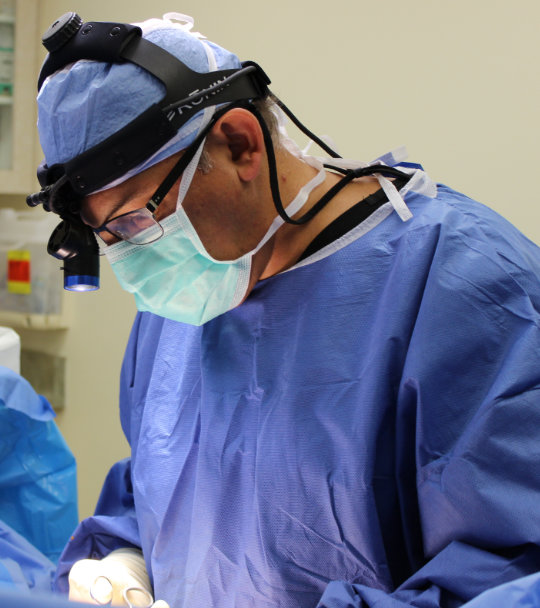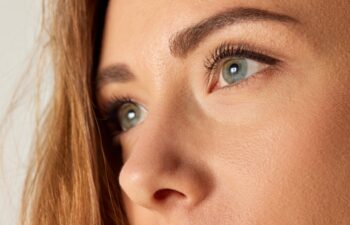
Your eyes tell your story. They convey warmth, intelligence, and vitality in ways no other feature can match. But when drooping upper lids, puffy under-eye bags, or deep hollows start overshadowing your natural expression, you may find yourself looking more tired or older than you actually feel. At Desired Beauty in Beverly Hills and Bakersfield, Dr. Farzin Kerendian performs blepharoplasty—eyelid surgery—with the precision and artistry that has made him one of Southern California’s most trusted cosmetic surgeons.
This February, as thoughts turn toward renewal and self-care, many patients discover that refreshing their eye area delivers the kind of natural-looking transformation that makes people ask, “Did you just get back from vacation?” rather than “Did you have work done?”
Understanding What Changes Your Eye Area Over Time
The delicate skin around your eyes is among the thinnest on your body—roughly 0.5 millimeters compared to approximately 2 millimeters elsewhere on your face. This fragile tissue bears the brunt of years of blinking, squinting, sun exposure, and facial expressions. Understanding why your eye area ages helps explain why targeted intervention produces such dramatic yet natural results.
Several factors contribute to the tired, aged appearance around the eyes:
- Skin Laxity: Collagen and elastin production decrease with age, causing the thin eyelid skin to stretch and sag. Upper eyelids may droop enough to create a hooded appearance or even obstruct peripheral vision.
- Fat Prolapse: The fat pads that normally cushion your eyes can shift forward, creating puffy bags beneath the lower lids or bulging in the upper lids.
- Muscle Weakening: The orbicularis oculi muscle that encircles the eye gradually weakens, contributing to drooping and reduced support for surrounding tissues.
- Bone Resorption: The orbital rim—the bony structure surrounding your eye socket—actually recedes with age, reducing support for the soft tissues above and below the eye.
- Volume Loss: As facial fat diminishes, hollows may develop beneath the eyes, creating dark circles and a sunken appearance that no amount of concealer can fully camouflage.
Dr. Kerendian’s extensive training at the prestigious Weill Cornell Medicine hospital system in New York City, where he earned the position of chief resident, equipped him to address all these changes with surgical precision tailored to each patient’s anatomy.
Upper Blepharoplasty: Opening Up Your Expression
Upper eyelid surgery addresses excess skin, protruding fat, and muscle laxity that creates a heavy, hooded, or tired appearance. For some patients, the drooping has progressed far enough that it actually interferes with vision—making this procedure not just cosmetic but functional.
During upper blepharoplasty, Dr. Kerendian carefully marks the natural crease of your eyelid while you’re seated upright, ensuring symmetry and appropriate skin removal. The incision follows this crease, meaning scars become virtually invisible once healed. Through this precise opening, he removes or repositions excess fat, trims redundant skin, and may tighten the underlying muscle for a smooth, refreshed result.
The transformation can be striking yet subtle. Patients often describe looking like themselves again—the version they see in their minds rather than the tired reflection they’ve been noticing in the mirror. Heavy brows may appear lifted, eyes look brighter and more open, and the overall effect reads as rested and rejuvenated rather than surgically altered.
Lower Blepharoplasty: Eliminating Bags and Shadows
Lower eyelid surgery targets the puffiness, dark circles, and skin crepiness that make you look exhausted regardless of how much sleep you actually get. Dr. Kerendian approaches lower blepharoplasty with particular attention to maintaining the natural shape and contour of the eye, avoiding the “pulled” or hollow look that can result from less careful technique.
For many patients, Dr. Kerendian uses a transconjunctival approach—placing the incision inside the lower eyelid where it remains completely hidden. This technique works beautifully for patients whose primary concern is protruding fat pads causing bags. The fat can be removed or redistributed to fill hollow areas beneath, creating smooth continuity between the lower lid and cheek.
When excess skin contributes to the aged appearance, an external incision placed just beneath the lash line allows Dr. Kerendian to address both the fat and the redundant skin. His fellowship training in cosmetic and reconstructive surgery under industry luminaries refined his ability to remove precisely enough tissue—achieving improvement without creating tension that could affect lid position.
The Consultation: Where Artistry Meets Anatomy
Dr. Kerendian’s approach centers on collaboration and education. During your consultation at either the Beverly Hills or Bakersfield location, he takes time to understand not just what bothers you, but what aesthetic outcome you envision. Some patients want dramatic opening of hooded eyes; others prefer the most subtle refresh possible. Your goals guide every aspect of surgical planning.
The examination assesses multiple factors that influence both technique selection and expected results:
- Skin Quality: Thin, sun-damaged skin responds differently than thicker, more resilient tissue.
- Eyebrow Position: Sometimes what appears to be upper lid drooping actually stems from descended brows. Dr. Kerendian determines whether blepharoplasty alone will achieve your goals or whether addressing the brows would optimize results.
- Lower Lid Laxity: The strength and elasticity of your lower lid affects which surgical approach minimizes risk and maximizes improvement.
- Tear Trough Depth: Hollow areas may benefit from fat repositioning during lower blepharoplasty rather than simple fat removal.
- Overall Facial Harmony: Dr. Kerendian considers how eye rejuvenation will integrate with your complete facial appearance.
This thorough evaluation reflects the philosophy that has earned Dr. Kerendian recognition as a Top Patient Rated Doctor by Find Local Doctors for multiple consecutive years. Patients consistently praise his patience during consultations and his commitment to answering every question personally.
What to Expect: Your Blepharoplasty Experience
Blepharoplasty is typically performed at Desired Beauty’s accredited surgery center, where Dr. Kerendian and his team maintain the highest standards of safety and patient care. Most eyelid procedures use local anesthesia with sedation, though general anesthesia remains an option for patients who prefer it or when blepharoplasty combines with other procedures.
The surgery itself takes approximately one to two hours, depending on whether you’re having upper lids, lower lids, or both addressed. Dr. Kerendian’s surgical precision—honed through thousands of successful procedures—focuses on natural tissue planes and meticulous closure to promote optimal healing.
Recovery follows a predictable course for most patients:
- Days 1-3: Swelling and bruising peak during this period. Cold compresses, head elevation, and prescribed medications keep you comfortable. Most patients describe minimal actual pain—more of a tight, tender sensation.
- Days 4-7: Bruising begins transitioning from purple to yellow as it resolves. Many patients feel comfortable returning to light activities, though appearances still reveal recent surgery.
- Weeks 2-3: Most visible signs of surgery fade, allowing return to work and social activities. Residual subtle swelling continues improving.
- Months 2-3: Final results become apparent as all swelling resolves and incision lines mature to their most inconspicuous state.
Dr. Kerendian schedules follow-up appointments to monitor your healing and address any questions that arise during recovery. This attentive aftercare reflects his understanding that excellent surgical outcomes require excellent postoperative support.
Combining Procedures for Comprehensive Rejuvenation
While blepharoplasty delivers remarkable improvement on its own, many patients achieve even more harmonious results by combining eyelid surgery with complementary procedures. Dr. Kerendian’s comprehensive training in both surgical and non-surgical techniques allows him to recommend the most effective combination for your goals.
Options that pair beautifully with blepharoplasty include:
- Brow Lift: When descended brows contribute to upper lid heaviness, addressing both areas prevents over-removal of eyelid skin and creates natural balance.
- Facelift: Patients seeking complete facial rejuvenation often combine procedures for a cohesive refresh with single recovery period.
- Laser Skin Resurfacing: CO2 laser treatment addresses fine lines, texture irregularities, and pigmentation that blepharoplasty alone doesn’t correct.
- Injectable Fillers: Strategic filler placement in the temples, cheeks, or tear troughs can enhance and complement surgical results.
During your consultation, Dr. Kerendian discusses whether combining procedures would benefit your outcome or whether staged treatment better suits your situation.
Investing in Your Eyes: A Decision Worth Making
The eyes are often the first feature others notice and the primary way we communicate emotion and connection. Investing in their rejuvenation pays dividends in how you feel every time you catch your reflection and in the energy and engagement others perceive when they look at you.
This February, consider whether blepharoplasty might be the refresh you’ve been contemplating. The surgery offers relatively quick recovery compared to more extensive procedures, yet delivers transformation that patients consistently describe as life-changing.
Schedule Your Consultation at Desired Beauty
Dr. Farzin Kerendian welcomes patients from throughout Southern California and beyond at Desired Beauty’s two convenient locations. With double board certification in cosmetic surgery and general surgery, fellowship training under renowned mentors, and recognition including the Marquis Who’s Who Top Doctors honor, Dr. Kerendian brings exceptional credentials to every procedure he performs.
Contact the Beverly Hills/Los Angeles office at (310) 274-4900 or the Bakersfield location at (661) 327-4400 to schedule your consultation. Financing options are available to help make your desired transformation accessible.
Your eyes have stories yet to tell. Let them shine.
Posted on behalf of