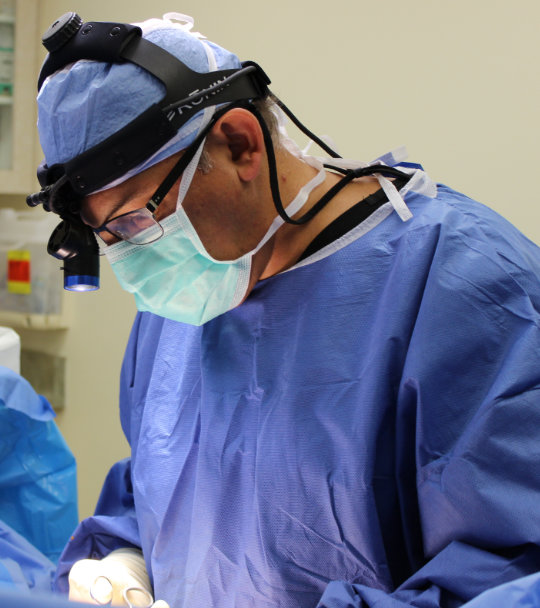
Otoplasty, commonly known as ear surgery, is a transformative procedure that can reshape and reposition the ears to improve their appearance. If you’ve ever felt self-conscious about the size, shape, or positioning of your ears, otoplasty could be the solution you’ve been seeking.
In this comprehensive guide, we will delve into the world of otoplasty, exploring the factors that determine candidacy for this procedure. From understanding the goals of otoplasty to assessing the physical and emotional aspects, we will empower you with the knowledge needed to determine if otoplasty is the right choice for you. Whether it’s for cosmetic enhancement or addressing congenital ear irregularities, this guide will help you make an informed decision and embark on a journey toward enhanced confidence and self-esteem.
Understanding Otoplasty
- Purpose of Otoplasty: Otoplasty is a surgical procedure aimed at improving the appearance of the ears. It can address a variety of concerns, including prominent ears, ear deformities present at birth (congenital ear irregularities), or issues resulting from injury or trauma. The primary goal is to create a more balanced and aesthetically pleasing ear appearance.
- Types of Otoplasty: Otoplasty can take different forms, depending on the individual’s specific needs. Common procedures include ear pinning (to reduce ear protrusion), ear reshaping (to correct irregularities in ear shape), and ear reconstruction (for cases involving congenital deformities or injury). The type of otoplasty chosen will depend on the patient’s unique ear structure and goals.
- Life-Changing Benefits: Beyond the cosmetic improvements, otoplasty can have a profound impact on self-esteem and confidence. Many individuals who undergo otoplasty report increased self-assurance and a more positive body image, leading to improved overall quality of life.
The Goals of Otoplasty
- Cosmetic Enhancement: Otoplasty aims to improve the appearance of the ears. This can include reshaping ears that appear too large or prominent, correcting irregularities in ear shape, or addressing asymmetry between the ears. The ultimate goal is to create a more balanced, proportionate, and aesthetically pleasing ear appearance.
- Functional Improvement: In some cases, otoplasty can have functional benefits. For individuals with ear issues that affect hearing, the procedure may help by repositioning or reshaping the ears to enhance sound conduction. This functional aspect is especially relevant for cases involving congenital ear deformities.
- Enhanced Self-Confidence: Beyond the physical changes, otoplasty often leads to improved self-esteem and confidence. Individuals who were previously self-conscious about their ears may experience a boost in self-assurance, ultimately leading to a more positive body image and an increased willingness to engage socially.
Candidacy Assessment
1. Physical Considerations:
- Ear Structure: Candidates for otoplasty typically have ears that they find aesthetically displeasing due to issues such as protrusion, size, or shape. The specific concerns and goals of each candidate vary, but the procedure can address a wide range of ear-related issues.
- Age: Otoplasty can be performed on both children and adults, but the ideal age for the procedure may vary. In some cases, parents opt for otoplasty for their children to prevent potential emotional distress associated with prominent ears. Adults may seek otoplasty for various reasons, including cosmetic enhancement.
2. Emotional and Psychological Factors:
- Self-Esteem and Body Image: Candidates should have realistic expectations about the potential cosmetic improvements otoplasty can offer. A strong motivation for the procedure often comes from a desire to enhance self-esteem and body image, especially if the appearance of the ears has caused emotional distress or self-consciousness.
- Motivation and Expectations: A candidate’s motivation for seeking otoplasty should align with their goals and expectations for the procedure. During the consultation, a qualified surgeon will discuss these motivations to ensure that the candidate has a clear understanding of what the surgery can achieve.
Consultation with a Specialist
- Choosing the Right Specialist: Seek a board-certified plastic surgeon or an experienced specialist in otoplasty. Research their credentials, experience, and reviews to ensure they have a track record of successful ear surgeries. The specialist’s expertise greatly influences the quality of the procedure and the final results.
- Thorough Evaluation: During the consultation, the specialist will conduct a comprehensive evaluation of your ears, taking into account their size, shape, symmetry, and any specific concerns you may have. They will also assess your overall health and medical history to ensure you are a suitable candidate for the surgery.
- Discussion of Goals and Expectations: Open and honest communication is crucial. Discuss your motivations for seeking otoplasty, your expectations regarding the procedure’s outcomes, and any concerns or questions you may have. The specialist will provide insights into what can realistically be achieved with otoplasty and help you set appropriate expectations.
Source : Ward Institute – Plastic Surgery & Aesthetics
In conclusion, otoplasty offers a transformative opportunity to enhance both the aesthetic and functional aspects of the ears. Assessing candidacy through consultation with a skilled specialist is essential for aligning personal goals with realistic expectations. By choosing the right provider and embracing the potential benefits of otoplasty, individuals can embark on a journey towards greater self-confidence and a positive self-image.
Posted on behalf of