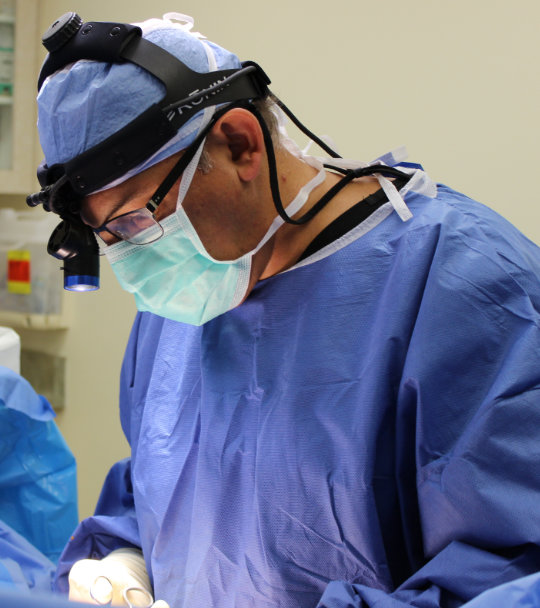
Scar revision presents a journey of contemplation and decision-making, aiming to restore confidence and appearance. This introduction delves into the pivotal factors to consider when pondering whether scar revision is the right choice for you. As we navigate through these considerations, we unveil the complexities and potential rewards of scar revision. By examining personal motivations, understanding the procedure’s scope, and exploring its effects, we embark on a path to informed choices, ultimately empowering individuals to make decisions that align with their aspirations for enhanced physical and emotional well-being.
Understanding Scar Revision
Exploring the concept of scar revision and its significance in improving the appearance of scars.
1. Purpose and Scope of Scar Revision:
- Scar revision is a surgical or non-surgical procedure aimed at minimizing the appearance of scars.
- It addresses factors such as size, shape, texture, and color to achieve a more aesthetically pleasing result.
2. Types of Scars and Their Impact:
- Different types of scars, such as keloid, hypertrophic, or atrophic scars, may require varying approaches to revision.
- Scars can affect self-esteem and emotional well-being, making scar revision a potential solution for enhanced confidence.
Personal Motivations
Examining the individual motivations behind considering scar revision.
1. Emotional and Psychological Impact:
- Assessing how the scar affects self-esteem, body image, and emotional well-being.
- Understanding if addressing the scar’s appearance aligns with broader personal and emotional goals.
2. Coping with Trauma or Events:
- Considering if the scar is a reminder of a traumatic event or experience.
- Reflecting on whether scar revision can contribute to closure and emotional healing.
Medical Considerations
Exploring the medical aspects that play a role in determining the suitability of scar revision.
1. Location, Size, and Depth of the Scar:
- Understanding how the scar’s characteristics influence the choice of revision technique.
- Discussing if the scar’s location impacts functionality or causes discomfort.
2. Health and Skin Condition:
- Consulting a medical professional to evaluate overall health and skin condition.
- Assessing factors like skin type, healing capacity, and potential risks for complications.
Realistic Expectations
Setting informed and achievable expectations for scar revision outcomes.
1. Potential Outcome Variability:
- Acknowledging that individual responses to scar revision can vary.
- Understanding that complete elimination of a scar may not always be possible, but significant improvement is attainable.
2. Communication with the Surgeon:
- Engaging in open discussions with the surgeon about desired outcomes.
- Seeking clarity on the expected level of improvement and any limitations associated with the procedure.
Surgical and Non-Surgical Options
Exploring the range of approaches available for scar revision.
1. Surgical Scar Revision:
- Discussing surgical techniques such as excision, grafting, or flap closure.
- Highlighting cases where surgical revision is more suitable, such as for larger or more complex scars.
2. Non-Surgical Alternatives:
- Exploring non-invasive options like laser therapy, dermal fillers, or topical treatments.
- Considering non-surgical approaches for scars that may not require extensive intervention.
Recovery and Downtime
Understanding the recuperation process and potential disruptions following scar revision.
1. Post-Procedure Healing:
- Explaining the typical healing timeline after scar revision, including initial discomfort and swelling.
- Discussing activities that may need to be restricted during the recovery period.
2. Planning for Downtime:
- Addressing the need to allocate time for recovery and rest, especially after surgical procedures.
- Considering how recovery may impact work, social commitments, and daily routines.
Financial Considerations
Exploring the financial aspects associated with scar revision.
1. Cost of the Procedure:
- Discussing the potential expenses involved in scar revision, including surgeon fees, facility costs, and anesthesia.
- Highlighting the variation in costs based on the type of revision and geographic location.
2. Payment Options:
- Exploring financing options, payment plans, or medical credit options to manage the financial aspect of the procedure.
Emotional Preparedness
Addressing the emotional aspect of undergoing scar revision.
1. Managing Expectations and Anxiety:
- Recognizing potential anxiety or apprehension before the procedure and discussing coping strategies.
- Encouraging open communication with the surgeon to alleviate concerns and manage expectations.
2. Support System and Counseling:
- Seeking emotional support from friends, family, or support groups during the decision-making process.
- Considering professional counseling or therapy to address any emotional challenges associated with the procedure.
Decision-Making Process
Navigating the process of making an informed decision about scar revision.
1. Gathering Information:
- Encouraging thorough research and consultation with medical professionals to understand the procedure and its implications.
- Seeking multiple opinions and considering different perspectives before reaching a decision.
2. Aligning with Personal Goals:
- Emphasizing the importance of aligning the decision with individual goals, values, and expectations.
- Reflecting on whether scar revision supports physical and emotional well-being, and contributes positively to one’s self-image.
In the realm of scar revision, informed choices emerge as the cornerstone of a transformative journey. By delving into personal motivations, medical considerations, and emotional readiness, individuals can navigate the complexities of this decision. Armed with knowledge, realistic expectations, and a supportive network, one can confidently embark on scar revision, potentially realizing enhanced confidence and emotional well-being through a path tailored to their unique aspirations.
Posted on behalf of