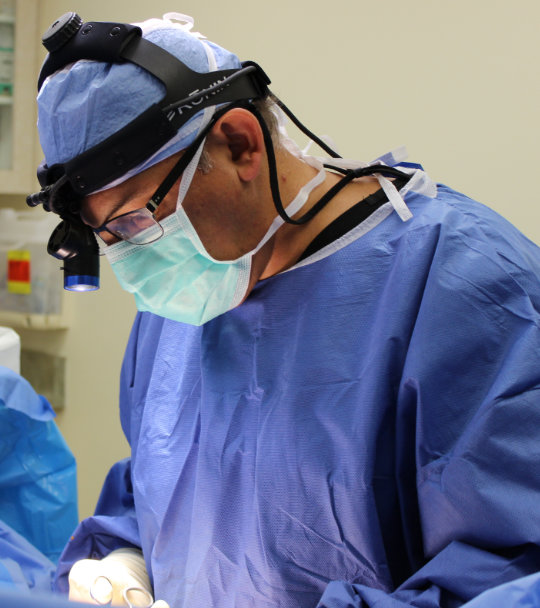
Facial aging is a natural process that everyone experiences, but the way it unfolds can vary significantly depending on ethnicity. At Desired Beauty in Los Angeles, Dr. Farzin Kerendian, an esteemed board-certified cosmetic and reconstructive surgeon, understands that ethnic background can play an important role in how the skin ages, impacting everything from wrinkle formation to volume loss and skin elasticity. Let’s explore how ethnicity influences facial aging and why a customized approach is essential for maintaining a youthful appearance.
1. Differences in Skin Structure and Thickness
One of the most prominent ways ethnicity influences facial aging is through skin thickness and structure. Studies show that people with darker skin tones tend to have thicker dermal layers and more collagen, which makes the skin more resilient and less prone to wrinkle formation. This is often the case with individuals of African and Middle Eastern descent, where denser skin layers act as a natural defense against aging.
In contrast, people with lighter skin tones, particularly those of European descent, may have thinner skin, making them more susceptible to early fine lines and wrinkles. This variation underscores why treatments need to be tailored to each patient’s unique skin type and structure for optimal, natural-looking results.
2. Variation in Bone Density and Facial Structure
Bone density and facial structure also vary across ethnicities, influencing the way aging appears on the face. For instance, individuals of Asian descent typically have higher cheekbones and a more prominent jawline, which can help the face retain its shape over time, delaying some aspects of facial sagging.
In contrast, people of European descent often have more angular faces and less fat beneath the skin, leading to earlier volume loss and hollowing around the eyes and cheeks. For patients experiencing volume loss, Dr. Kerendian may recommend treatments like dermal fillers to restore youthful fullness and address these unique structural concerns.
3. Skin Pigmentation and Sun Damage Susceptibility
Ethnic background also plays a role in skin pigmentation and susceptibility to sun damage—a major factor in aging. Individuals with darker skin tones, such as those of African or South Asian descent, have higher melanin levels, which provides a natural barrier against harmful UV rays and can reduce the risk of premature wrinkles and sunspots. However, while less susceptible to sun damage, darker skin tones may be more prone to hyperpigmentation and require specialized treatment to address these concerns.
Lighter skin tones, common among European and Middle Eastern individuals, are more vulnerable to UV damage, which accelerates aging through the breakdown of collagen and elastin. This can lead to wrinkles, fine lines, and sunspots at an earlier age. For these patients, Dr. Kerendian recommends preventive treatments like medical-grade sunscreens, antioxidant serums, and laser therapy to manage pigmentation and promote skin health.
4. Aging and Volume Loss in Ethnicities with Higher Fat Distribution
Ethnic groups with a greater natural fat distribution in the face, such as Latin American and Asian populations, may experience different aging patterns. Higher fat distribution helps to delay the appearance of wrinkles and sagging by providing natural volume, but as this fat shifts with age, it can lead to changes in facial shape.
For patients with higher facial fat, fat transfer or dermal fillers can be used to restore and enhance youthful contours, providing a balanced, customized approach that aligns with their natural facial structure. Dr. Kerendian’s expertise in reconstructive surgery and facial anatomy allows him to tailor treatments that address age-related changes while preserving each patient’s unique aesthetic features.
5. Cultural Differences in Aging Concerns and Aesthetic Goals
Different ethnic backgrounds can also influence aesthetic goals and perspectives on aging. In some cultures, smooth, wrinkle-free skin is highly valued, while others may prioritize preserving natural volume and structure. For example, some patients may prefer to retain their natural facial contours, while others may seek a more defined look.
Dr. Kerendian works closely with each patient to understand their personal goals and cultural preferences. Whether through subtle fillers, skin rejuvenation treatments, or surgical options, Desired Beauty provides customized treatment plans that respect each patient’s unique background and beauty ideals.
Why Choose Desired Beauty in Los Angeles?
Understanding how ethnicity affects facial aging is essential for providing effective, personalized care. With extensive training in cosmetic and reconstructive surgery, Dr. Farzin Kerendian is skilled at tailoring treatments to meet each patient’s specific needs. At Desired Beauty in Los Angeles, we emphasize the importance of a culturally sensitive approach that enhances natural beauty and achieves youthful, harmonious results.
If you’re interested in learning how cosmetic treatments can support your unique aging journey, contact Desired Beauty today to schedule a consultation with Dr. Kerendian. We’re here to help you look and feel your best at every stage of life.
Posted on behalf of