When most people think of facial rejuvenation, they picture dermal fillers or surgical facelifts. But a quieter revolution has been unfolding in cosmetic surgery—one that harnesses your body’s own regenerative potential to restore not just volume, but actual skin quality. Facial fat transfer has evolved far beyond simple filling, and the latest research reveals why this procedure is increasingly becoming the gold standard for natural, long-lasting facial rejuvenation.
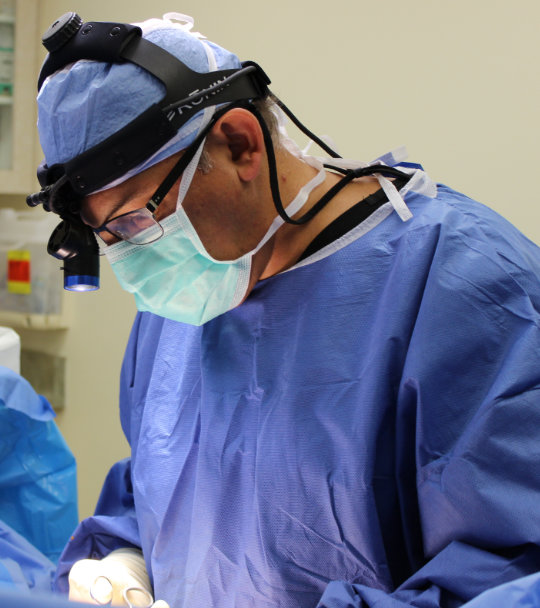
At Desired Beauty in Beverly Hills and Bakersfield, double board-certified cosmetic surgeon Dr. Farzin Kerendian has witnessed this evolution firsthand. With surgical training from the prestigious Weill Cornell Medicine–Cornell University hospital system and a fellowship in cosmetic and reconstructive surgery, Dr. Kerendian combines cutting-edge techniques with the artistic precision that facial rejuvenation demands.
The Numbers Tell a Compelling Story
The surge in facial fat grafting reflects growing recognition of its unique benefits. Global procedures reached over 947,000 in 2024 alone—a remarkable 19.2% increase from the previous year. The market for facial fat transfer, valued at $1.9 billion in 2024, is projected to grow to $2.14 billion in 2025. These figures represent more than just popularity; they reflect a fundamental shift in how surgeons and patients approach facial aging.
What’s driving this growth? Science has revealed that fat transfer does something synthetic fillers simply cannot: it regenerates the skin from within.
The Science of Stem Cells and Facial Rejuvenation
Your body’s fat tissue isn’t just padding—it’s a rich reservoir of regenerative cells. When fat is harvested and transferred to the face, it brings along adipose-derived stem cells (ADSCs) and what researchers call the stromal vascular fraction (SVF). This cellular cocktail contains stem cells, growth factors, cytokines, preadipocytes, and other bioactive components that work together to transform aging skin.
According to recent research published in Frontiers in Medicine, these adipose-derived stem cells perform multiple functions that go far beyond volume replacement. They secrete growth factors and anti-inflammatory cytokines that stimulate tissue regeneration. They promote the secretion of extracellular proteins essential for skin structure. Perhaps most remarkably, they release antioxidants that neutralize the free radicals responsible for much of visible aging.
Studies confirm that ADSC injections improve skin density and demonstrate measurable anti-wrinkle properties. Patients experience improvements in skin hydration and overall appearance that synthetic fillers cannot replicate. This dual mechanism—structural support plus regenerative stimulation—explains why fat transfer produces superior long-term outcomes compared to temporary alternatives.
Microfat, Nanofat, and the Art of Precision
Not all fat transfer is created equal. Modern techniques have refined the process into specialized approaches that target different facial concerns with remarkable precision.
- Microfat (0.5–1 mm particles): Ideal for volume restoration in areas like the cheeks, temples, and under-eyes. Research shows microfat achieves approximately 78% success rates for volume restoration when performed using optimized protocols.
- Nanofat (emulsified fat): Contains minimal viable fat cells but is rich in stem cells and growth factors. Studies demonstrate 82% success rates for regenerative applications, making it particularly effective for fine lines, skin texture improvement, and stimulating collagen synthesis.
- Combination Approaches: Many experienced surgeons now layer these techniques—using microfat for underlying volume and nanofat for surface-level skin quality enhancement.
The intact adipocytes in properly processed microfat maintain their metabolic functions after transplantation, establishing new blood supply connections within 48 to 72 hours. This rapid integration means the transferred fat becomes living, permanent tissue rather than a temporary filler that gradually dissolves.
What Makes Fat Transfer Different From Fillers
While hyaluronic acid fillers serve an important role in facial aesthetics, they work through fundamentally different mechanisms than fat transfer—and understanding these differences helps patients make informed decisions.
Dermal fillers provide immediate volume that gradually absorbs over 6 to 18 months. They’re excellent for targeted corrections and patients who prefer minimal commitment. However, repeated filler injections over years can potentially lead to complications such as product migration or granuloma formation.
Fat transfer, by contrast, uses your own tissue—making allergic reactions or rejection impossible. The initial investment exceeds single filler treatments, but the permanence of successfully integrated fat eliminates ongoing maintenance costs. More importantly, fat transfer provides regenerative benefits that improve the overlying skin rather than simply pushing it outward.
Research from the Journal of Cosmetic Dermatology confirms that autologous adipose tissue is considered the most biocompatible and non-immunogenic skin filler available. Effects range from semi-permanent to permanent, with studies documenting that 40 to 60% of transferred volume remains stable long-term after the initial settling period.
Factors That Influence Your Results
Research has identified several variables that affect fat transfer outcomes, and understanding these helps set realistic expectations:
- Donor Site: Fat from different body areas may have varying concentrations of stem cells and regenerative potential. Your surgeon’s expertise in selecting optimal harvest sites matters significantly.
- Processing Technique: How harvested fat is prepared dramatically affects cell viability. Gentle handling and appropriate processing preserve the delicate stem cells that drive regeneration.
- Injection Technique: Placing fat in small, strategic deposits ensures adequate blood supply reaches each graft, maximizing survival rates.
- Individual Biology: Factors including age and overall health influence stem cell activity and healing capacity. However, research indicates that even older patients experience meaningful regenerative benefits.
Patient satisfaction rates exceed 80% when procedures incorporate advanced harvesting and processing techniques. These outcomes represent significant improvements over earlier fat grafting methods, driven by better understanding of adipocyte biology and graft integration.
What to Expect: Timeline and Results
Unlike fillers that show immediate results, fat transfer requires patience as the transferred tissue integrates with your facial structures.
- Initial Phase (First 2 Weeks): Expect swelling that temporarily exaggerates results. Some patients feel “overfilled” during this period—this is normal and anticipated.
- Settling Phase (Weeks 2–8): Swelling gradually resolves and transferred fat stabilizes. Some volume reduction occurs as your body absorbs fat cells that didn’t establish blood supply.
- Final Results (3–6 Months): Most patients maintain 40 to 60% of transferred volume permanently. Skin quality improvements continue developing for up to one year as stem cell-driven collagen production enhances results.
Is Facial Fat Transfer Right for You?
Ideal candidates have adequate donor fat available (though only small volumes are needed for facial procedures), seek natural-looking, long-lasting results, understand the procedure requires recovery time and patience, and are in good overall health with realistic expectations.
Facial fat transfer is particularly valuable for patients experiencing volume loss in the cheeks, temples, or under-eye hollows, those noticing changes in skin quality or texture, patients who prefer their own tissue over synthetic products, and individuals seeking comprehensive rejuvenation addressing multiple aging factors simultaneously.
The Beverly Hills Approach to Fat Transfer
Dr. Kerendian’s training at Cornell and fellowship in cosmetic and reconstructive surgery provided the foundation for understanding both the technical precision and artistic vision that facial fat transfer demands. His contributions to the International Journal of Cosmetic Surgery and dedication to teaching emerging surgeons reflect a commitment to advancing the field.
At Desired Beauty, every fat transfer procedure is tailored to individual facial anatomy, aesthetic goals, and unique biology. Dr. Kerendian believes in comprehensive patient education—ensuring you understand what the procedure involves, what results to expect, and how to optimize your outcome.
Schedule Your Consultation at Desired Beauty
If you’re intrigued by facial fat transfer’s regenerative potential, schedule a personalized consultation with Dr. Kerendian. He’ll evaluate your facial anatomy, discuss your goals, assess donor site availability, and determine whether fat transfer—alone or combined with other procedures—can achieve your desired results.
Whether you visit the Beverly Hills or Bakersfield location, you’ll receive the same commitment to exceptional outcomes that has earned Dr. Kerendian recognition as a Top Patient Rated Doctor throughout Southern California.
Posted on behalf of